

Introduction
We’ve all been there.
You wake up in the morning, look in the mirror, and spot a red, swollen pimple sitting front and center on your face. Maybe you have a meeting later, a dinner planned with friends, or an important event coming up. Whatever the reason, your first thought is usually the same: How do I make this thing go away as quickly as possible?
While there isn’t a magic solution that can erase a pimple instantly, there is one simple trick that can help calm things down fast—ice.
Using ice on acne has been a popular skincare hack for years, and for good reason. When used correctly, ice can temporarily reduce redness, swelling, and discomfort, making an inflamed breakout look less noticeable. It’s quick, inexpensive, and something most people already have at home.
That said, ice isn’t a cure for acne. It won’t unclog pores, prevent future breakouts, or replace a proper skincare routine. Think of it more like first aid for an angry pimple—a way to calm the situation while your skincare products do the real work.
If you’re wondering how ice helps acne, when to use it, and how to do it safely, here’s everything you need to know.
Why Ice Works on Inflamed Pimples
One reason ice is so popular for acne is because the results can be surprisingly fast.
When you apply cold to the skin, blood vessels temporarily constrict. This reduces blood flow to the area, which can help decrease redness and swelling. It’s the same reason athletes use ice packs after injuries to reduce inflammation.
For acne, this means a swollen pimple may look smaller and less angry after a short ice session.
Another benefit is the cooling sensation itself.
Inflamed pimples can sometimes feel sore, tender, or even painful to touch. Applying ice creates a mild numbing effect that can temporarily reduce discomfort and make the area feel calmer.
Of course, these effects aren’t permanent. Once your skin returns to its normal temperature, some redness may come back. But if you’re looking for a quick way to make a breakout less noticeable, ice can be surprisingly effective.
What Ice Can and Can’t Do
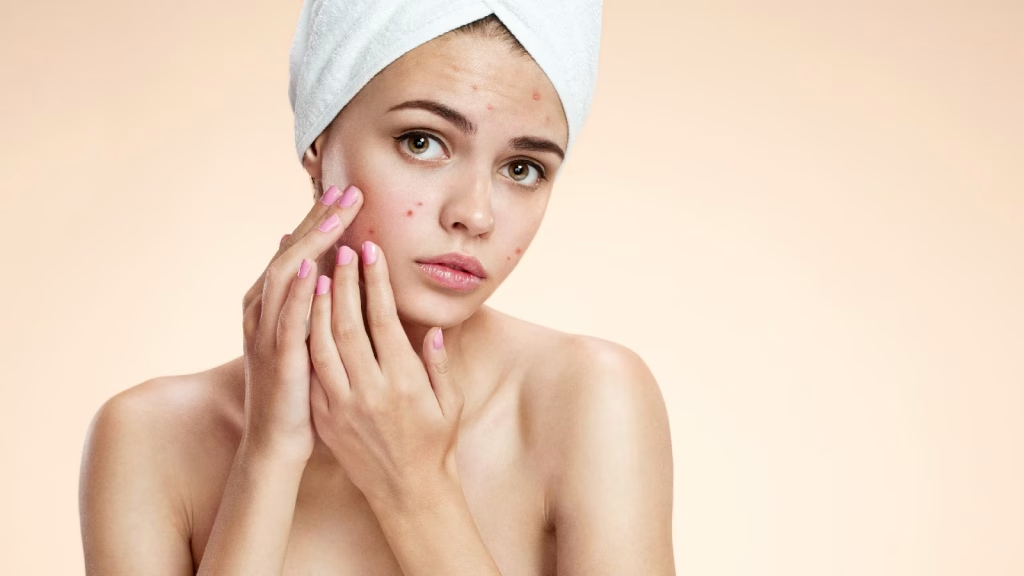
Before reaching for the freezer, it’s important to set realistic expectations.
Ice can help reduce:
- Redness
- Swelling
- Puffiness
- Temporary discomfort
- The appearance of inflamed pimples
However, ice cannot:
- Cure acne
- Unclog pores
- Kill acne-causing bacteria
- Prevent future breakouts
- Treat acne scars
This distinction matters because many people expect too much from home remedies.
Think of ice as a supportive step rather than a complete solution. It helps manage symptoms, but long-term acne improvement still comes from consistent skincare habits and appropriate treatment products.
The Right Way to Use Ice on Acne
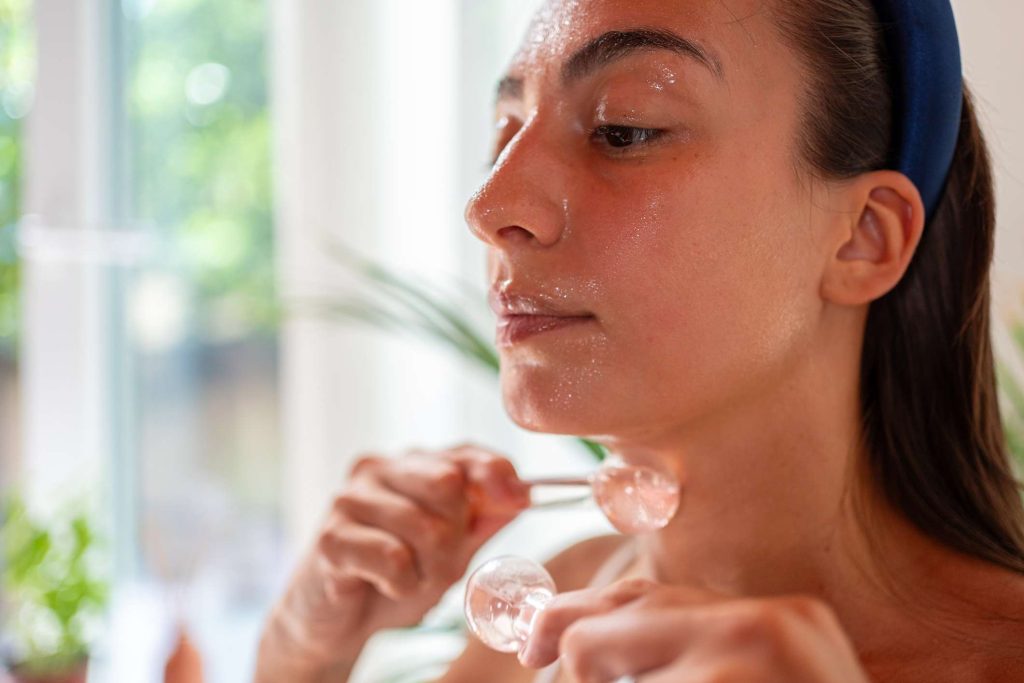
Using ice sounds simple, but there is a correct way to do it.
One of the biggest mistakes people make is placing ice directly on the skin. While it might seem harmless, direct contact can irritate sensitive skin and, in extreme cases, even cause a mild cold burn.
Instead, always wrap the ice in a clean, soft cloth before applying it.
A simple step-by-step approach looks like this:
- Wash your face with a gentle cleanser.
- Pat your skin dry with a clean towel.
- Wrap an ice cube in a soft cloth or use a small cold pack.
- Gently press it against the inflamed pimple for one to two minutes.
- Remove it and allow the skin to rest briefly.
- Repeat a few times if needed.
The goal isn’t to freeze the pimple. It’s simply to cool the area enough to reduce inflammation.
Being gentle is extremely important. Avoid rubbing the ice across your face or pressing too hard. Inflamed skin is already irritated, and excessive pressure can make things worse.
When Ice Works Best
Not every type of acne responds to ice in the same way.
Ice tends to be most helpful for inflamed breakouts—the kind that are red, swollen, tender, and easy to notice.
These include:
- Inflamed pimples
- Red papules
- Swollen acne bumps
- Recently irritated breakouts
For example, if you’ve been stressed, touched a pimple too much, or accidentally irritated it while washing your face, ice can often help calm things down.
Many people also use ice before special occasions because it can temporarily reduce puffiness and make breakouts appear less prominent under makeup.
It’s a quick fix, but sometimes that’s exactly what you need.
When Ice Probably Won’t Help Much
Although ice works well for redness and swelling, it’s not useful for every type of acne.
Blackheads, for example, are caused by clogged pores. Since there’s little inflammation involved, ice won’t do much beyond providing a cooling sensation.
The same is true for many whiteheads that aren’t particularly swollen.
Deep cystic acne can also be tricky. While ice may temporarily reduce discomfort, it won’t address the underlying inflammation deep beneath the skin’s surface.
In those situations, targeted acne treatments are usually far more effective.
Situations Where You Should Avoid Ice
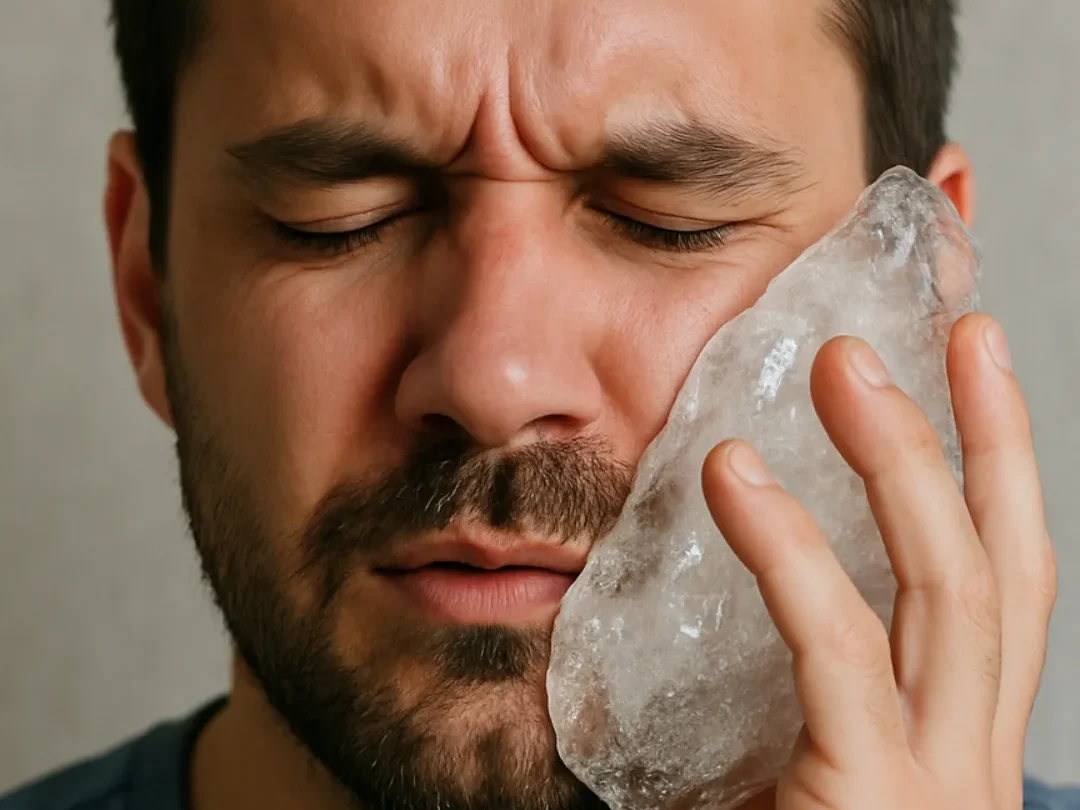
There are times when ice is not the best choice.
Avoid using ice on:
- Open wounds
- Bleeding pimples
- Recently popped pimples
- Broken skin
- Extremely sensitive or damaged skin
If a pimple has already been picked or squeezed, the skin is likely irritated enough already. Adding intense cold can sometimes cause more discomfort instead of helping.
You should also avoid keeping ice on the skin for long periods.
More ice does not equal better results.
Long exposure can lead to irritation, excessive dryness, and skin sensitivity. Short applications are both safer and more effective.
Combining Ice With an Acne Routine
Ice works best when it’s part of a larger skincare strategy.
Think of it as an emergency helper rather than your main treatment.
A simple acne-friendly routine might look like this:
Morning
- Gentle cleanser
- Lightweight moisturizer
- Sunscreen
Evening
- Gentle cleanser
- Acne treatment
- Moisturizer
Whenever you notice a particularly inflamed pimple, you can add a brief ice session after cleansing.
Once the skin has cooled down, continue with your regular products as usual.
This allows you to calm visible inflammation while still treating the root causes of acne.
Don’t Forget Moisturizer
A surprising number of people skip moisturizer when they’re breaking out.
The logic seems reasonable: if your skin is oily, why add more moisture?
But acne-prone skin still needs hydration.
Many acne treatments can leave the skin dry, tight, or irritated. Without enough moisture, the skin barrier becomes weaker, which can lead to even more inflammation.
A lightweight, non-comedogenic moisturizer helps keep the skin balanced and supports healing.
Healthy skin generally recovers from breakouts much more effectively than stressed, dehydrated skin.
Small Habits That Can Make a Big Difference
While skincare products get most of the attention, everyday habits often play a major role in how quickly acne improves.
A few simple changes can support your skin’s recovery:
- Change pillowcases regularly
- Clean your phone screen often
- Avoid touching your face unnecessarily
- Stay hydrated
- Get enough sleep
- Manage stress levels
- Wash makeup brushes frequently
These habits won’t magically eliminate acne overnight, but they reduce additional irritation and help create an environment where your skin can heal.
Sometimes the simplest habits make the biggest difference.
Common Mistakes People Make With Ice
One of the biggest mistakes is assuming that longer ice sessions will produce faster results.
In reality, over-icing can irritate the skin and make it more sensitive.
Another common mistake is applying ice directly to the face without a protective barrier. This can be uncomfortable and may damage delicate skin.
Perhaps the biggest mistake of all is continuing to pick at the pimple afterward.
You can spend several minutes reducing inflammation with ice, only to undo all your progress by squeezing the breakout later.
If you’re serious about helping your skin heal, hands off.
When to See a Dermatologist
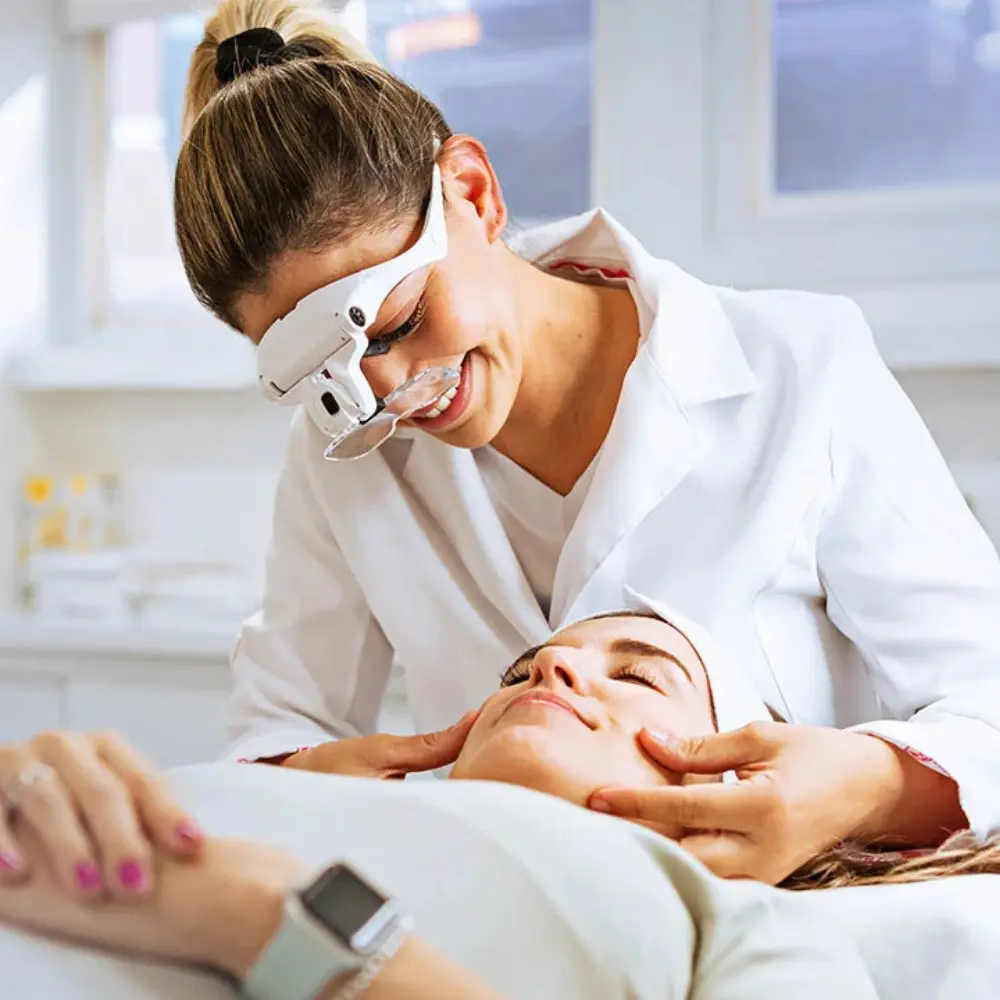
Ice can be helpful for occasional inflamed pimples, but it isn’t a solution for persistent or severe acne.
If you’re dealing with:
- Frequent breakouts
- Painful cystic acne
- Acne that leaves scars
- Widespread inflammation
- Skin that isn’t improving with basic skincare
it’s worth scheduling an appointment with a dermatologist.
Professional treatment can often address the root causes of acne much more effectively than home remedies alone.
There’s no shame in seeking expert help—sometimes it’s the fastest route to clearer skin.
Conclusion
Ice is one of the simplest skincare tricks available, and when used properly, it can genuinely help reduce acne redness and swelling. It’s inexpensive, accessible, and provides quick relief when a breakout suddenly becomes inflamed.
The key is using it safely. Always wrap ice in a cloth, apply it for short periods, and remember that it’s a temporary solution rather than a cure.
For long-term improvement, focus on the basics: gentle cleansing, effective acne treatments, moisturizer, sunscreen, and healthy daily habits. Combined with a consistent skincare routine, ice can be a useful tool for managing those unexpected flare-ups