
Introduction
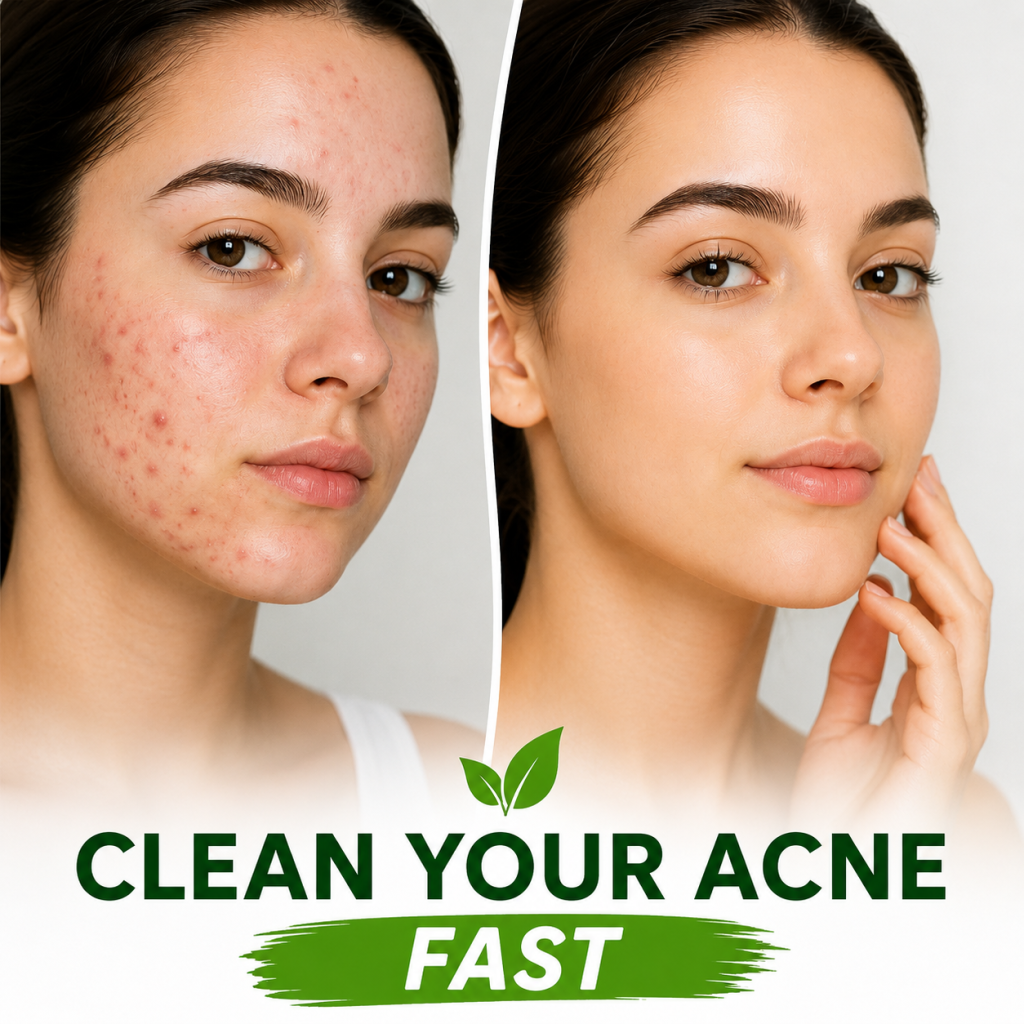
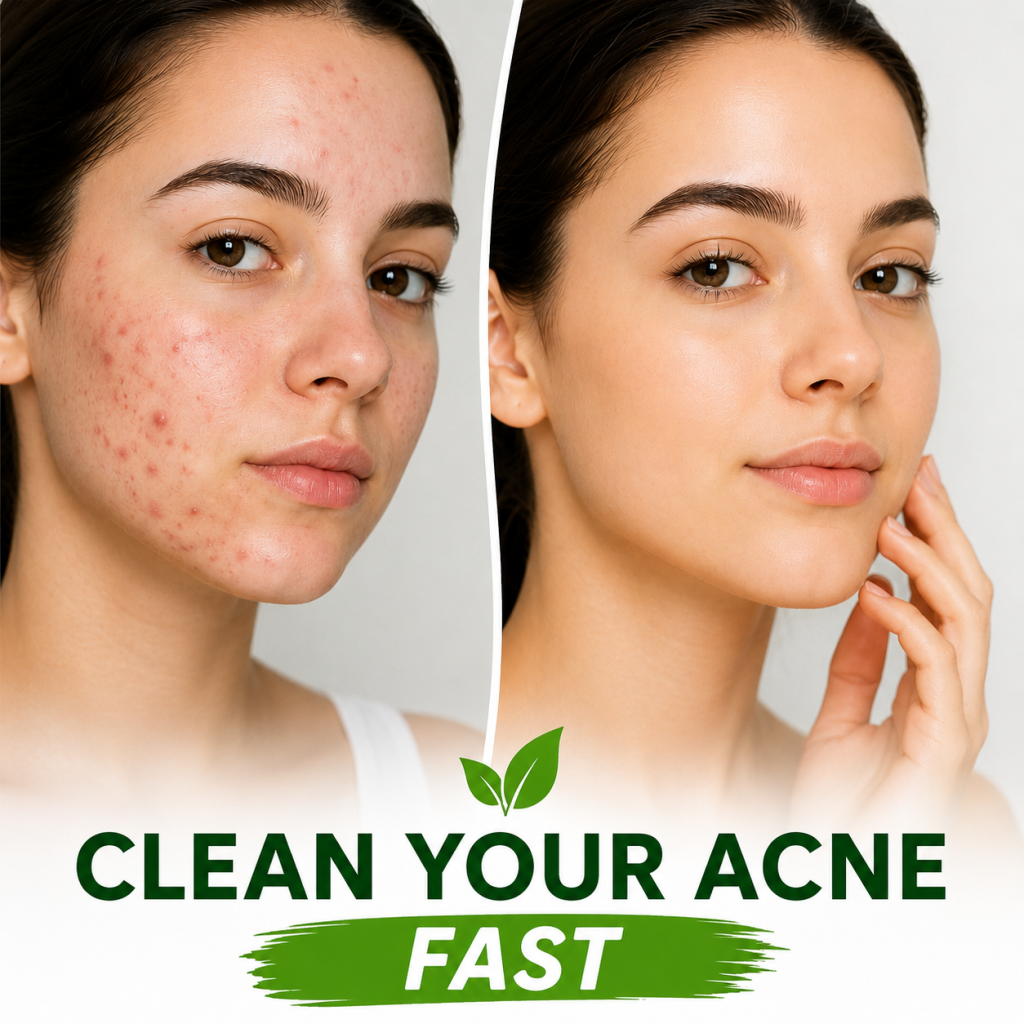
Few skincare problems are as frustrating as acne.
One day your skin looks perfectly fine, and the next morning you’re staring at a breakout that seems to have appeared out of nowhere. Whether it’s before an important meeting, a wedding, a date, or simply a day when you want to feel confident, acne always seems to show up at the worst possible time.
When that happens, the first instinct is usually to find the fastest solution possible. Many people start scrubbing their skin, applying multiple treatments at once, or trying every skincare hack they can find online. Unfortunately, that approach often makes acne worse rather than better.
The truth is that acne doesn’t usually disappear overnight. However, with the right routine, you can reduce redness, calm inflammation, prevent new breakouts, and help existing pimples heal much faster.
The key isn’t being aggressive with your skin. It’s being consistent.
If you’re looking for a practical and realistic way to clear acne fast, these are the steps that actually make a difference.
Understanding Why Acne Happens
Before trying to treat acne, it helps to understand what causes it in the first place.
Acne develops when pores become clogged with excess oil, dead skin cells, and bacteria. Once a pore becomes blocked, inflammation can occur, leading to blackheads, whiteheads, pimples, or deeper cystic breakouts.
But clogged pores aren’t the only factor.
Stress, hormones, lack of sleep, touching your face frequently, certain skincare products, and even lifestyle habits can contribute to acne flare-ups.
One thing many people don’t realize is that irritation can make acne appear worse. When the skin barrier becomes damaged, the skin becomes more inflamed, more sensitive, and slower to heal.
That’s why successful acne treatment isn’t about attacking your skin. It’s about creating an environment where your skin can recover and function properly.
Step 1: Cleanse Without Overdoing It
A good cleanser is the foundation of any acne routine.
Throughout the day, your skin collects oil, sweat, dirt, pollution, and bacteria. If that buildup remains on the skin, it can contribute to clogged pores and ongoing breakouts.
However, there’s an important difference between cleansing and over-cleansing.
Many people assume that because acne is associated with oil, they need to wash their face constantly. In reality, washing too often can strip the skin of its natural moisture and trigger even more oil production.
The goal is to cleanse gently but consistently.
Wash your face once in the morning and once before bed using a cleanser suited to your skin type. If you have oily or acne-prone skin, a cleanser containing salicylic acid can be particularly helpful because it works inside the pores to remove buildup.
If your skin tends to be sensitive, choose a fragrance-free cleanser that cleans effectively without causing irritation.
Remember: your skin should feel clean after washing, not tight or uncomfortable.
Step 2: Use Ingredients That Actually Target Acne
Not all skincare products are designed to treat acne.
While moisturizers and cleansers support healthy skin, targeted ingredients are often what help breakouts improve faster.
Some of the most effective acne-fighting ingredients include:
- Salicylic Acid
- Benzoyl Peroxide
- Adapalene
- Niacinamide
Each ingredient works differently.
Salicylic acid helps unclog pores and reduce blackheads. Benzoyl peroxide targets acne-causing bacteria and can be especially useful for inflamed pimples. Adapalene helps prevent pores from becoming blocked in the first place, while niacinamide helps reduce redness and support the skin barrier.
The biggest mistake people make is using all of these at the same time.
More products don’t necessarily mean better results. In fact, combining multiple strong treatments often leads to irritation, peeling, and even more breakouts.
Instead, choose one treatment product and use it consistently. Give your skin time to respond before introducing anything new.
Step 3: Moisturize—Yes, Even if Your Skin Is Oily
This is one of the most common misconceptions in skincare.
Many people with acne believe moisturizer will make their skin greasier, so they skip it entirely.
Unfortunately, that can backfire.
When your skin becomes too dry, it often tries to compensate by producing even more oil. At the same time, acne treatments can weaken the skin barrier and leave the skin feeling irritated.
A good moisturizer helps maintain balance.
Look for a lightweight, oil-free, non-comedogenic formula that won’t clog pores. Gel-based moisturizers are often ideal for oily skin because they provide hydration without feeling heavy.
If your acne treatments leave your skin feeling tight, flaky, or uncomfortable, moisturizer becomes even more important.
Healthy skin heals faster, and hydrated skin handles acne treatments much better.
Step 4: Never Skip Sunscreen
If you’re treating acne but ignoring sunscreen, you’re making the process harder than it needs to be.
Sun exposure can worsen post-acne marks, increase redness, and slow the skin’s recovery process.
Many acne treatments also make the skin more sensitive to sunlight, which means protection becomes even more important.
A good sunscreen won’t clog pores or make your skin feel greasy. Modern formulations are much lighter than many people expect.
Choose a broad-spectrum sunscreen with SPF 30 or higher and apply it every morning as the final step of your routine.
If you’re spending significant time outdoors, remember to reapply throughout the day.
One of the biggest frustrations after acne heals is being left with dark marks. Daily sunscreen is one of the best ways to prevent those marks from becoming more noticeable.
Step 5: Stop Picking Your Pimples
If there’s one habit that can dramatically slow down healing, it’s picking.
Almost everyone has been tempted to squeeze a pimple, especially when it’s right in the center of their face. The problem is that picking usually causes more harm than good.
When you squeeze a pimple, you can push bacteria deeper into the skin, increase inflammation, and create a wound that takes much longer to heal.
The result is often a larger blemish, more redness, and a higher risk of scarring.
Instead of picking, consider using a hydrocolloid pimple patch. These patches protect the area, reduce the temptation to touch it, and help absorb excess fluid from the blemish.
Sometimes the fastest way to heal acne is simply leaving it alone.
Step 6: Support Your Skin Through Healthy Habits
Skincare products are important, but they’re only part of the picture.
Your daily habits can influence how your skin behaves more than you might realize.
Sleep, hydration, stress levels, and nutrition all play a role in overall skin health.
When you’re sleep-deprived, stressed, and dehydrated, your skin often reflects it. Breakouts may appear more inflamed, healing may take longer, and your complexion can look dull and tired.
During an acne flare-up, focus on simple improvements:
- Drink enough water throughout the day
- Aim for consistent sleep
- Eat balanced meals with protein, vegetables, and healthy fats
- Reduce stress where possible
- Keep pillowcases and towels clean
None of these habits will magically eliminate acne overnight, but together they create conditions that support healthier skin.
Step 7: Keep Your Routine Simple
One of the most effective acne-clearing strategies is surprisingly boring.
Keep your routine simple.
When people become desperate for results, they often buy multiple products and start changing their routine every few days. Unfortunately, this makes it impossible to know what’s working and what isn’t.
A basic acne routine can be incredibly effective:
Morning:
- Gentle cleanser
- Lightweight moisturizer
- Sunscreen
Evening:
- Gentle cleanser
- Acne treatment
- Moisturizer
That’s it.
You don’t need ten different products to see improvement. Consistency almost always beats complexity.
Common Acne Mistakes That Slow Progress
If you’ve been struggling with acne for a while, there’s a good chance one of these habits is getting in the way.
Using Too Many Active Ingredients
Layering multiple strong treatments often causes irritation rather than faster results.
Scrubbing Aggressively
Acne isn’t caused by dirty skin. Scrubbing harder won’t make it disappear.
Switching Products Too Frequently
Most treatments need time to work. Constantly changing products prevents you from seeing real results.
Skipping Moisturizer
A damaged skin barrier can make acne harder to manage.
Ignoring Sunscreen
Sun damage can make acne marks linger long after pimples have healed.
When Should You See a Dermatologist?
While many mild breakouts improve with a good skincare routine, some forms of acne require professional treatment.
If your acne is painful, cystic, widespread, or leaving scars, it’s worth consulting a dermatologist.
You should also seek professional advice if over-the-counter products aren’t helping after several weeks of consistent use or if your skin becomes extremely irritated.
There’s no benefit in suffering through severe acne when effective treatments are available.
conclusion
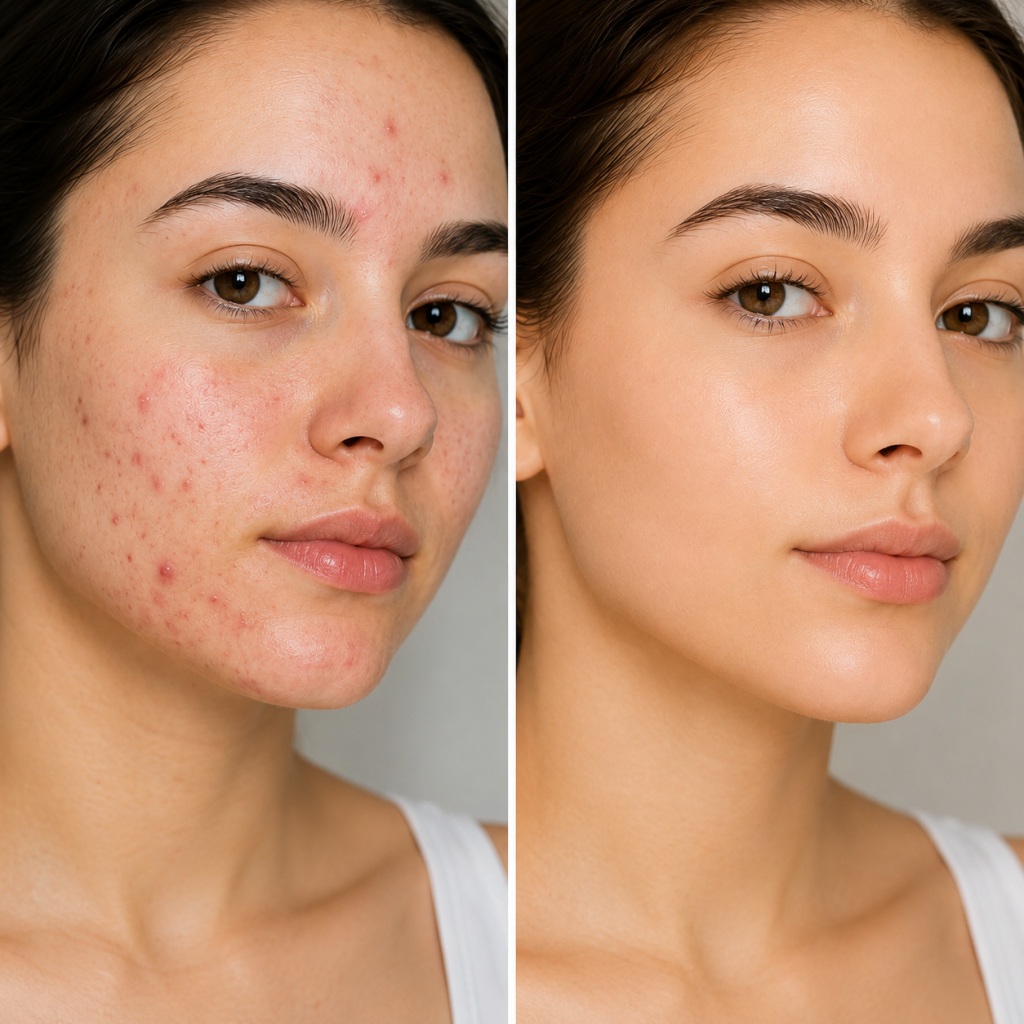
If you’re trying to clear acne fast, remember this: the goal isn’t to fight your skin. The goal is to support it.
A gentle cleanser, one effective treatment ingredient, a lightweight moisturizer, and daily sunscreen can accomplish far more than a complicated routine packed with harsh products.
Add healthy habits, avoid touching your face, and stay consistent with your routine. While acne may not disappear overnight, you’ll often notice reduced redness, calmer skin, and fewer new breakouts much sooner than you expect.
The people who see the best results aren’t usually the ones using the most products. They’re the ones who stay patient, keep things simple, and give their skin time to heal.
And sometimes, that’s the fastest path to clearer skin.